

CIHE Newsletter: April 2026
CIHE Executive Committee Update
Hello CIHE friends and colleagues,
Happy Spring! I hope this message finds you well as you approach the close of the Spring 2026 semester, and that this season is wrapping up smoothly and successfully for you.
It is hard to believe that we are already nearing the end of April, but CIHE has had a vibrant and engaging season filled with meaningful events. These have included sessions such as “How to Maximize Your Conference Experiences,” a panel on “Supporting Scholars with Dependents,” “Strategies for Preparing ASHE Proposals in International Higher Education,” and our annual “CIHE Mentoring and Networking Sessions.” It has been truly inspiring to see our community come together to learn, connect, and support one another.
Looking ahead to Summer 2026, we are excited to continue this momentum with a series of virtual events and a webinar designed to further support our community. Planned offerings include a book talk on Supporting Korean International Students in the United States: From Admission to Career and the CIHE Best Article Award Talk. We hope these opportunities will continue to foster collaboration, learning, and engagement across our network.
The work of CIHE is made possible by your involvement, insights, and dedication. We warmly invite you to share your ideas, feedback, and suggestions with the executive team as we strive to collectively advance our mission of promoting and disseminating knowledge in international higher education.
On behalf of the CIHE executive team, thank you for your continued support and contributions. We wish you a restful and rewarding summer ahead.
Warm regards,
Katie Koo, PhD
Call for Proposals for ASHE and CIHE Pre-Conference Now Open!
The ASHE Council for International Higher Education (CIHE) will convene its 36th Annual Forum on Tuesday, November 3rd in San Juan prior to the 51th Annual ASHE conference. Proposals are due by Thursday, April 30, 2026 at 3:00pm Pacific Time.
The CIHE Pre-Conference within the ASHE 2026 General Conference seeks proposals that resonate with the overarching theme, “Land, Memory, and Power.” We invite submissions that not only delve into international higher education but also contribute to our collective understanding of scholarly identity, including scholar-practitioners perspectives and approaches. The intent is to explore the diverse facets of being a scholar on an international stage and fostering inclusivity within our scholarly community.
Following the ASHE 2026 theme, we invite scholars, activists, artists, and community leaders to engage in meaningful dialogue and innovative approaches to justice in different global contexts. This includes considering the unique challenges posed by the current volatile political and social climate. Scholars are encouraged to address, among others, the threats to freedom of speech and the suppression of diverse voices, the impact of forced migration on academic communities, and the complex dynamics that arise in international and comparative higher education settings under such circumstances.
Please note that the CIHE Pre-Conference Forum is different from the General Conference section International Higher Education. Authors can submit to either the general conference or the CIHE Pre-Conference; however, the same proposal may not be submitted to both.
Proposal Formats Accepted:
- Research Paper
- Scholarly Paper
- Interactive Symposium
- Self-Designed Paper Session
- Performance, Visual, and Digital Scholarship
- Works in Progress
- Posters
Please also consider signing up as a Reviewer, Chair, and/or Discussant for the CIHE Pre-Conference. More information can be found at https://www.ashe.ws/volunteers.
ASHE 51st Annual Conference
The ASHE 2026 Call for Proposals is out! Please consider submitting your work for consideration to the International Higher Education section. The call for proposals can be found here. We also hope that you’ll consider signing up to be a proposal reviewer, session chair, and/or a discussant. Submissions are due April 30!
Please note that while you may submit to both the International Higher Education section of the main conference, and the Council for International Higher Education pre-conference, you may not submit the same proposal in both places.
2026 CIHE Award for Significant Research on International Higher Education
2026 Award Nominations will open in early May and closes approximately late June
Applications for the 2026 awards will be accepted from scholarships published between June 1, 2025 – May 31, 2026. Nominations must be a) Books and Edited Books; and b) Journal Articles, Chapters, Research Initiatives, or Other Research. Dissertations are not eligible for nomination for this award.
2026 Research and Discussion Webinar
We will be offering a series of webinars in 2026 that will focus on relevant and critical issues within international higher education. This will be led by our ASHE CIHE members who will share their research and facilitate discussion among the participants.
Recap from the March Webinar
By: Satomi and Seyoung
We hosted a panel titled “Discussions and Community-Building for Members with Dependent(s)” featuring Dr. Sara Bano, Dr. Junghee Choi, and Aisha Kanwal.
The session brought together graduate students and early-career scholars with dependents for a meaningful conversation about navigating academic life alongside caregiving responsibilities. Panelists shared their personal experiences and insights, fostering an open and supportive discussion where participants could connect over shared challenges and strategies. The conversation highlighted the importance of creating spaces like this, and participants expressed a strong interest in continuing and expanding such initiatives to build a more supportive and connected community.
Recap from the Networking Roundtable Program
By Satomi and Marisa
Our annual event, the CIHE Networking Roundtables Program, targeted early-career scholars, researchers, and graduate students and offered an opportunity to connect with and ask questions directly to active scholars in the field of higher education from comparative and international perspectives. In the roundtable sessions, we featured three topics, each supported by outstanding scholars: 1) Navigating the tenure track faculty job market by Dr. Shinji Katsumoto and Dr. Santiago Castiello, 2) Developing a research agenda and preparing a research statement by Dr. Meseret Hailu and Dr. Jonah Otto, and 3) Navigating academic publishing by Dr. Melissa Whatley and Dr. Sylvie Lomer. For the plenary panel, we addressed the topic: Navigating transitions early in your career, inviting three distinguished scholars: Dr. Riyad Shahjahan, Dr. Chrystal George Mwangi, and Dr. Jue Wu. The level of participant engagement in each session was high. This event was not only about gaining technical strategies but also about receiving heartfelt encouragement from scholars. We appreciate these scholars for their openness and willingness to share their experiences and knowledge. Their contributions continue to foster a welcoming and supportive community within CIHE.
Upcoming Webinar
- August: book talk on Supporting Korean International Students in the United States: From Admission
By Katie Koo, Jihye Kwon, Sungman Kim, Kyoungah Lee, & Hanna Lee,
Friday, August 7th, 2026 9:00 am - 10:00 am Pacific time
Register
- September: Narratives of Persistence: A Postcolonial Exploration of Black African Refugee Postsecondary Students’ Cultural Heritage Use
By Dr. Meseret F. Hailu & Dr. Ane Turner Johnson
Wednesday, September 2, 2026 9:00 am - 10:00 am Pacific time
Join our roundtable sessions and plenary panel featuring outstanding scholars in our field! The sessions will explore career and research interests, needs, and goals. This is a wonderful opportunity to network, develop relationships, and strengthen your engagement within the ASHE–CIHE community.
If you are interested in sharing your research or have a topic that you are interested in learning more about for a future webinar, please e-mail Seyoung Hong at hongseyo@msu.edu.
Other Professional Development and Academic Opportunities
June 2-3, 2026 - Boston College, Chestnut Hill, MA, United States
CIHE Executive Committee Nominations Coming Soon
Are you interested in contributing to the CIHE community? The CIHE Nominations Committee will be opening nominations soon for upcoming vacancies! More details will be shared shortly, so please keep an eye out for further information!
Have questions? Please contact Satomi Mitani (mitan005@umn.edu)
Graduate Student Spotlight
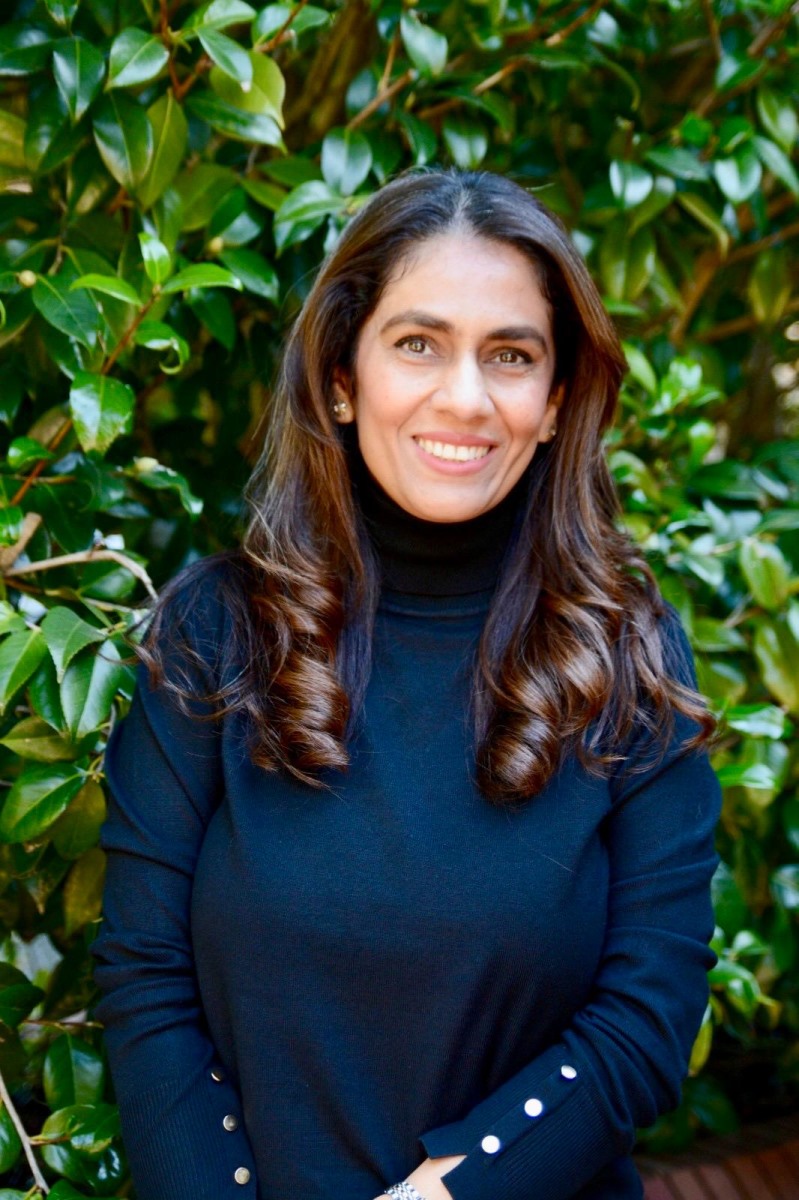 Name: Aisha Kanwal
Higher Education Institution: North Carolina State University
Degree: Educational Leadership, Policy, and Human Development
E-mail: akanwal@ncsu.edu
Tell us about your background in higher education.
My journey into higher education has been shaped by both professional experience and deeply personal motivations. Before beginning my doctoral studies, I spent over 15 years in higher education administration in Pakistan and the United States, primarily in academic planning, accreditation, and institutional effectiveness. Those roles gave me a front-row seat to how policies and institutional structures shape student experiences. At the same time, my own journey as a student, an international scholar, and a mother has profoundly influenced how I understand higher education—not just as a system, but as a lived experience. Navigating graduate school while raising children has made me more attuned to the invisible labor and structural inequities many students carry. That intersection of professional insight and personal experience is what ultimately led me to pursue a PhD.
What are some of your main research projects or interests?
More broadly, my research interests include gender equity in higher education, student-parent experiences, institutional policy analysis, and the role of higher education systems in either reinforcing or disrupting inequities. I am currently working on my dissertation, which is a qualitative case study focused on understanding how these international student mothers navigate their multiple roles as students, mothers, and migrants. I am particularly interested in how immigration policies, institutional support systems, and gendered expectations intersect to shape well-being.
As a Graduate Assistant in Institutional Effectiveness at NC State, I continue to engage in research through administrative assessment projects, supporting accreditation processes, and helping units think more intentionally about how they assess and improve their practices. Experiences like these allow me to bridge theory and practice, connecting my research on well-being, equity, and policy with the everyday realities of how institutions operate.
What are some potential career pathways you would like to explore after you graduate?
After completing my PhD, I hope to pursue a career that bridges research, policy, and practice. I am particularly interested in academic/practitioner roles where I can continue researching issues of equity and student well-being while also mentoring students—especially those navigating complex identities. At the same time, I remain deeply committed to institutional effectiveness and policy work. I would love to contribute to shaping institutional and national policies that better support diverse student populations. Ultimately, my goal is to ensure that research does not stay on paper but informs meaningful, tangible change in higher education systems.
How did you get involved with ASHE and/or the CIHE?
I became involved with ASHE as I began to more intentionally engage with the higher education research community during my doctoral journey. ASHE provided a space where my academic interests and professional background could come together. My involvement with CIHE grew from that engagement, particularly through opportunities like the recent workshop. What drew me in was the community—spaces that center international perspectives and create room for conversations that often go unheard in mainstream academic settings.
What are some of your favorite aspects of being involved in ASHE and the CIHE?
One of my favorite aspects is the sense of community and intellectual generosity. As a doctoral student—especially one balancing multiple roles—it can sometimes feel isolating. Being part of ASHE and CIHE reminds me that there is a broader community of scholars asking similar questions and doing deeply meaningful work.
What is something you like to do for fun, completely outside of school or professional involvement?
Outside of my academic life, I find joy in slowing down and being present with my children. I love trying new cuisines and experimenting with recipes in the kitchen—it’s both creative and comforting, especially when I can recreate flavors from home or explore something completely new. I also enjoy involving my kids in everyday home activities, like cooking or simple chores. Those small moments often turn into meaningful time together, full of conversation, laughter, and learning. For me, these routines are not just about getting things done—they’re a way of creating balance and staying grounded beyond the demands of academia.
Recent CIHE Member Publications
Bodine Al-Sharif, M., Koo, K., & Bista, K. (2025). International graduate students: Unique stories and missing voices in higher education. New Directions for Teaching and Learning, 181, 13–21. https://doi.org/10.1002/tl.20616
Bowling, R. L. (2025). “They don’t even know how ethnocentric they’re being”: Comparative approaches to worldview diversity education. Journal of Studies in International Education, First published online February 6, 2025. https://doi.org/10.1177/10283153251316925
Broton, K. M., Mohebali, M., & O’Neill, K. B. (2025). The Power of Partnerships: Field Experiments for Translational Impact in Higher Education. Community College Journal of Research and Practice, 1–6. https://doi.org/10.1080/10668926.2025.2609109
Cruz, N. I., & Whatley, M. (2024). Domestic Study Away in Higher Education: A Systematic Literature Review. Review of Educational Research, 95(5), 1099-1130. https://doi.org/10.3102/00346543241279296 (Original work published 2025)
Fei, M. (2025). Practice implications for supporting international students’ racial learning in the US. Critical Internationalization Studies Review, 4(1).
George Mwangi, C. A., Yao, C. W., Harshe, G., & Corso, A. R. (2025). It’s Just Too Much: Narratives of International Educators Navigating COVID-19. The Journal of Higher Education, 96(5), 857–881. https://doi.org/10.1080/00221546.2024.2378643
George Mwangi, C. A. & Santana, Y. R. (Eds.). (2025). (Re) Framing College Access by and with Communities of Color: Our Knowledge, Our Process, Our Choice. State University of New York Press.
Hou, M. (2025). ‘Where are you from?’: examining identity and racism among Asian American and Asian international students. Studies in Higher Education, 1–14. https://doi.org/10.1080/03075079.2025.2552823
Hou, M., Le, T. T. K., & Mushfiq, M. (2025). Intersecting identities of three Asian transnational women doctoral students: a critical collaborative autoethnography. Higher Education, 1–16.
Jenkins, Z., & Yao, C. (2025). A critique of race-neutrality discourse among internship benefits: a critical discourse analysis. Education+ Training, 67(2), 171–183.
Katsumoto, S. (2025). Not All the Same: An Analysis of Diverse Help-Seeking Patterns among International Students. Journal of Global Higher Education, 1(1), 159-185.
Katsumoto, S. (2025). Typology of academic engagement among Asian American students: Critical quantitative approach with latent class analysis. Journal of Diversity in Higher Education.
Kaya‐Kasikci, S., Glass, C. R., Camero, E. C., & Minaeva, E. (2025). University Positioning in AI Policies: Comparative Insights From National Policies and Non‐State Actor Influences in China, the European Union, India, Russia, and the United States. Higher Education Quarterly, 79(4), e70062.
Koo, K., Bista, K., & Al-Sharif, M. A. B. (2025). “From surviving to thriving” next steps for international graduate students: A call to action. New Directions for Teaching and Learning, 181, 91–99. https://doi.org/10.1002/tl.20623
Koo, K. (2025). Culturally sensitive support beyond borders: Internationalization of student affairs practice. In Tolman, S. & Calhoun, D. (eds). Student Affairs - Voices from the Profession. Information Age Publishing.
Lee, J.H., Kim, M. & Koo, K. (2025). Profiling personality factors predicting academic achievement: insights from a diverse student sample. Social Psychology of Education, 28 (131). https://doi.org/10.1007/s11218-025-10050-8
Mwangi, C. A. G., & Yao, C. W. (2025). A Letter to the Editors: What Can Critical Mean to International Education Praxis?. Journal of Global Higher Education, 1(1), 10–19.
Olson, T. H., Hong, S., & Renn, K. A. (2026). Training, Trust, and Terabytes: Absorptive Capacity for Data Analytics at Research Universities. Journal of Student Affairs Research and Practice, 63(1), 73–88. https://doi.org/10.1080/19496591.2025.2505852
Patterson, J., Whatley, M., & Kelly, A. (2025). To All the Nations of the World: A Postcolonial Analysis of Protestant Christian-oriented Study Abroad Programs. Journal of Comparative & International Higher Education, 17(1), 105–123.
Shahjahan, R. A. (2025). Unpacking the velcro of ‘Internationalisation’: the nation-state ontology and its implications for global higher education. Globalisation, Societies and Education, 1–13.
Yoon, J., & Koo, K. (2025). Enhancing Early Childhood Teacher Candidates’ Perceptions of Teaching Science-Technology-Society (STS) through a Project-based Interdisciplinary Approach, International Journal of Education in Mathematics, Science, and Technology, 13(1), 1-18. https://doi.org/10.46328/ijemst.4333.
Whatley, M., Aldrich, C., & De Angelis, A. (2025). Indications of Community College Virtual International Exchange Outcomes: Global Perspective-Taking and Self-Efficacy. Journal of Studies in International Education, 29(1), 100–124.
Whatley, M., Labs, K., & Wood, D. R. (2025). International Education for Low-Income Students: Virtual Exchange and the Academic Success Among Pell-Recipient Community College Students. Community College Review, 53(2), 262–280.